Source Common Rail Nozzle For Injector for Engines, Trucks, Generators
Find 30 listings for the common rail nozzle for injector with varied specifications including steel and iron bodies, multiple cylinder types, and OEM codes. Buyers can compare customization options, delivery times, and packaging details to select suitable parts for industrial applications.
Key considerations
Products List


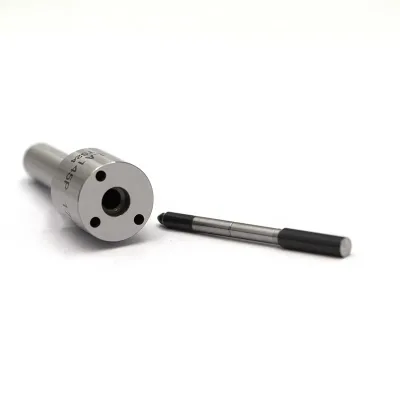
Comprehensive Sourcing Guide
Strategic Sourcing Guide for Common Rail Nozzle Procurement
Understanding Technical Specifications and Component Variability
When sourcing a common rail nozzle for an injector, the primary challenge lies in the extreme precision required for fuel atomization and the significant variability in component specifications across different engine architectures. The market presents a fragmented landscape where "common rail" serves as a broad category, yet the internal geometry, flow rates, and pressure tolerances differ drastically between manufacturers and engine models. Buyers must recognize that a nozzle designed for a diesel engine operating at 1,600 bar will not function in a system designed for 2,000 bar, and the physical dimensions are often unique to the specific engine block.
In the current supply environment, technical attributes are not uniform. Observations from available listings indicate that fuel injection devices are frequently categorized by their specific engine model numbers, such as 0445120092 or 0445110610. These alphanumeric codes are not merely identifiers but represent the exact engineering blueprint required for compatibility. A buyer cannot assume that a nozzle labeled as a "Fuel Injection Device" will fit a generic diesel engine without verifying the part number against the original equipment manufacturer (OEM) specifications. Furthermore, the physical dimensions of the component vary; while some listings suggest a standard size of 9CM6.5CM4.5CM, others indicate larger packaging or component dimensions like 45.00cm * 45.00cm * 50.00cm, which may refer to the shipping crate or a specific assembly variant rather than the nozzle itself.
The material composition is another critical technical factor. The body material is predominantly listed as Steel or Iron, which are essential for withstanding the high pressures and corrosive nature of diesel fuel. However, the specific alloy grade is rarely disclosed in general listings. Buyers must verify that the steel or iron used meets the hardness and fatigue resistance standards required for the reciprocating piston movement and the high-frequency cycling of the injector. The cylinder configuration is also a variable; while many systems utilize multi-cylinder setups, the nozzle must be matched to the specific cylinder count and firing order of the target engine.
Compliance, Certification, and Regulatory Standards
Navigating the compliance landscape for fuel injection components requires a rigorous verification of certifications and standards, as the regulatory environment for automotive parts is stringent. In the observed market, certifications such as ISO9001 appear frequently, indicating that the supplier has a quality management system in place. However, the presence of a certification label does not guarantee that every specific nozzle batch meets the standard; it is an observation of the supplier's general operational status. Other listings mention certifications like CE and ISOCCC, while some display composite tags such as "ISOCylinder:Multi-cylinder" or "TSISOStandard Component:Standard Component," which require careful interpretation to understand their actual scope and validity.
Buyers must distinguish between general corporate certifications and product-specific approvals. For instance, a supplier may hold ISO9001 certification, but the specific nozzle model must also adhere to the relevant industry standards for fuel injection systems. The "Standard Component" designation found in some listings suggests adherence to baseline industry norms, but this is a vague term that should be backed by specific technical documentation. In the context of international trade, the origin of the product plays a significant role in compliance. Products originating from Guangdong, China, Hubei, China, or Korea/China may be subject to different export regulations and import tariffs depending on the destination country.
The verification process should include a request for the specific test reports associated with the certification. While some listings claim "100% Professional Test" or "100% Tesed," these are assertions that must be validated through third-party laboratory results. The buyer should not rely solely on the supplier's self-declaration. Additionally, the "Standard Component" attribute implies that the part is designed to meet general industry specifications, but the exact standard number (e.g., ISO, DIN, SAE) should be explicitly requested. Without this information, the risk of procuring a component that fails to meet local emissions or safety regulations is high.
Cost Drivers and Pricing Structure Analysis
The pricing structure for common rail nozzles is influenced by a complex interplay of factors, including material costs, manufacturing complexity, and supply chain logistics. The observed price range in the market spans from 1 to 259 USD, a wide disparity that reflects differences in quality, origin, and specification. A nozzle priced at the lower end of this spectrum may be a generic replacement or a refurbished unit, while those at the higher end likely represent high-precision, OEM-equivalent parts with verified testing data.
Material costs are a primary driver, particularly given that the body material is specified as Steel or Iron. Fluctuations in global steel prices can directly impact the final cost of the nozzle. Furthermore, the manufacturing process, described as "Press" in some listings, involves specialized tooling and precision machining, which adds to the production cost. The complexity of the fuel injection device, including the internal geometry required for atomization, also dictates the price. Nozzles with specific OEM part numbers like 0445110610 or 0445 110 189 often command a premium due to the proprietary nature of the design and the lower volume of production compared to generic parts.
Shipping and packaging costs are significant secondary factors. The market shows a variety of packaging options, including OEM Package, Neutral Package, Al Lamp Package, Wooden Box, and Original Packing. The choice of packaging affects the final landed cost; for example, a Wooden Box is more expensive than a standard carton but offers better protection for high-value components. The origin of the product also influences cost; items from Korea or China may have different shipping rates and tariff implications compared to those from other regions. Buyers should analyze the total cost of ownership, including freight, insurance, and potential customs duties, rather than focusing solely on the unit price.
Typical Applications and Engine Compatibility
The application of common rail nozzles is highly specific, with each nozzle designed for a particular engine model and operating environment. The core keyword "common rail nozzle for injector" encompasses a wide range of applications, from heavy-duty diesel trucks to passenger vehicles and industrial machinery. The fuel type is a critical determinant of compatibility; while most listed components are designed for Diesel, some listings mention Gasoline or even "Use Water as Raw Material" for Fuel Saver Type applications, which indicates a niche or experimental market segment that requires careful validation.
The engine model number is the most reliable indicator of application. Listings frequently cite specific models such as 0445120092, 0445110610, and 0445 110 189. These numbers correspond to specific engine families, and using a nozzle with an incorrect model number can lead to engine failure, poor fuel economy, or excessive emissions. The cylinder configuration, described as "Multi-cylinder," suggests that these nozzles are intended for engines with multiple combustion chambers, which is standard for most diesel applications. However, the specific number of cylinders and the firing order must be matched to ensure proper engine performance.
The transportation method for the fuel injection device is also relevant to its application. Some listings mention transportation via DHL, UPS, TNT, by Sea, or by Air, which implies that the component is suitable for global distribution and installation in various markets. The "Service" attribute of "24 Hours" suggests that these components are often used in critical applications where downtime must be minimized, such as commercial transport or industrial machinery. Buyers should verify that the nozzle is compatible with the specific engine control unit (ECU) and fuel pressure requirements of their target application.
Supplier Evaluation and Sourcing Strategy
Evaluating suppliers for common rail nozzles requires a multi-faceted approach that goes beyond simple price comparison. The market shows a diverse range of origins, including Guangdong, China, Hubei, China, Korea, and Korea/China. Each region may have different strengths in terms of manufacturing capability, quality control, and supply chain reliability. Buyers should prioritize suppliers who can provide transparent documentation regarding their manufacturing processes and quality assurance measures.
The "Customization" attribute being "Available" is a significant indicator of a supplier's flexibility. This suggests that the supplier can accommodate specific requests regarding packaging, labeling, or minor design modifications. However, buyers must clarify the extent of customization and any associated costs or lead time implications. The "Sample" acceptance policy is another critical factor; suppliers that offer samples allow buyers to physically inspect the component before committing to a larger order. This is particularly important for verifying the "100% Professional Test" claim and ensuring the part meets the required specifications.
Lead time is a crucial consideration in supplier evaluation. The observed delivery times range from "About 3-10 Working Days" to "7-15 Days." These variations can impact production schedules and inventory management. Buyers should establish clear expectations regarding lead times and include penalties for delays in their procurement contracts. The "MOQ" (Minimum Order Quantity) is also a key factor, with observed values ranging from 1 to 10 units. Suppliers with low MOQs are more suitable for small-scale testing or emergency replacements, while those with higher MOQs may offer better pricing for bulk orders.
Quality Control and Testing Protocols
Quality control is paramount when sourcing fuel injection components, as even minor defects can lead to catastrophic engine failure. The market listings frequently mention "100% Professional Test" and "100% Tesed," but these claims must be substantiated with detailed test reports. Buyers should request specific data on the testing procedures, including the types of tests performed (e.g., flow rate, spray pattern, pressure tolerance) and the acceptance criteria used. The "Quality" attribute should be verified through third-party audits or certifications that are recognized in the automotive industry.
The "Technics" attribute, listed as "Press," indicates the manufacturing method, but it does not guarantee quality. Buyers should inquire about the specific pressing techniques, tooling precision, and post-processing steps such as heat treatment or surface coating. The "Standard Component" designation suggests adherence to baseline standards, but the exact standard number and the frequency of quality checks should be confirmed. Additionally, the "Weight" attribute, listed as 0.5kg for some items, can serve as a quick verification metric; significant deviations from the expected weight may indicate material defects or counterfeit parts.
Packaging is also an integral part of quality control. The "prod_packing" attribute varies widely, from "OEM Package" to "Wooden Box" and "Lzy." Proper packaging is essential to prevent damage during transit, especially for precision components like nozzles. Buyers should ensure that the packaging includes protective materials and clear labeling to prevent misidentification. The "Service" attribute of "24 Hours" implies a commitment to rapid response, which is crucial for addressing any quality issues that arise after delivery.
Long-Term Procurement and Lifecycle Management
Sourcing common rail nozzles is not a one-time transaction but a long-term relationship that requires careful management of the supply chain. The "Delivery Time" variability and the "MOQ" ranges observed in the market highlight the need for a robust inventory management strategy. Buyers should consider maintaining a buffer stock of critical components to mitigate the risk of supply disruptions. The "Sample" acceptance policy can be leveraged to build a long-term relationship with suppliers, allowing for continuous quality verification and process improvement.
The "Fuel" type and "Carburettor Type" attributes indicate that the market is evolving, with some suppliers exploring alternative fuel technologies like "Use Water as Raw Material." While these innovations may offer long-term benefits, they also introduce uncertainty regarding compatibility and performance. Buyers should stay informed about emerging technologies and assess their relevance to their specific applications. The "Transportation" options, including sea and air freight, provide flexibility in managing logistics costs and delivery times.
Finally, the "OEM" and "Part Name" attributes underscore the importance of maintaining a clear record of component specifications. Buyers should establish a centralized database of all procured nozzles, including their model numbers, origins, and test results. This data will be invaluable for troubleshooting, warranty claims, and future procurement decisions. By adopting a strategic approach to sourcing, buyers can ensure a reliable supply of high-quality common rail nozzles that meet the demanding requirements of modern diesel engines.
FAQs
What certifications do common rail nozzle for injector suppliers typically hold?
Suppliers often hold ISO9001 certification, indicating a quality management system. Some listings also mention CE and ISOCCC, though buyers must verify if these apply to specific batches rather than just the company.
How long does delivery take for common rail nozzle for injector orders?
Delivery times vary between about 3-10 working days and 7-15 days depending on the supplier. Buyers should confirm the specific lead time before ordering to ensure it meets their project schedule requirements.
Which engine models are compatible with these common rail nozzle for injector parts?
Compatible models include specific codes like 0445120092, 0445110610, and 0445 110 189. These alphanumeric codes represent exact engineering blueprints, so matching the part number to the engine is critical for proper function.
Can suppliers provide samples of the common rail nozzle for injector before bulk orders?
Yes, samples are accepted by many suppliers to allow physical inspection. This practice helps buyers verify the 100% professional test claims and ensure the component meets the required specifications before committing to a larger purchase.
What is the minimum order quantity for common rail nozzle for injector purchases?
The minimum order quantity ranges from 1 to 10 units across different suppliers. Low MOQs are suitable for testing or emergency replacements, while higher volumes may offer better pricing for bulk procurement needs.
How are common rail nozzle for injector components packaged for shipping?
Packaging options include OEM, neutral, wooden box, and original packing styles. The choice affects protection levels and costs, with wooden boxes offering superior protection for high-value components during transit.